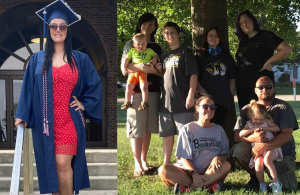
Family finding is all about creating lifelong connections for youth in out-of-home care. It explores ways to engage relatives to increase the child’s safety and stability. It’s based on the beliefs that every child has a family, loneliness is a primary issue facing children in foster care, and that meaningful connections result in better lifelong outcomes. A lifelong relationship with someone who cares means better emotional and physical health for the child.
When children come into foster care, Missouri Alliance for Children & Families‘ Family Finding and Engagement Supervisor Kerry Walker says it’s important that caregivers acknowledge their ambiguous grief. This type of grief is often stigmatized and not recognized. “The people that they love that they’re disconnected from are still out there living their lives,” Kerry says. “When somebody passes away, we have cultural things, we have rituals, we have things that we do. But when the grief is unidentified, that individual is internally in turmoil with that and trying to understand what it is.” To address this ambiguous grief, we should elicit and honor their history of relationships and loss, validate their feelings, support and encourage their right to grieve and create rituals to normalize loss. Kerry recommends several helpful tools to work toward this, including Kevin Campbell’s mobility maps, safety circles and a calendar tool. “It’s really designed for case managers to do, but I believe that anybody working with youth in care can do this kind of work and do the work within yourself,” Kerry says.
Mobility Mapping
Mobility maps are a great way to learn more about a child’s life story and get a sense of who their supports were throughout their life. The goal is to reconnect these responsible, strong supports to the child and their family. “This is storytelling, and one of the things I really love about good family engagement is that a lot of times people are just waiting at the bit to tell their story and where they’re coming from,” Kerry says. “The goal is to engage those who know the kid, engage the professionals, pull the family in. We want to build relationships with the kiddos.” Some tips for a successful mobility map include:
- Do this standing up with a large piece of paper on the wall (think wrapping paper or craft paper) – give the child plenty of space to draw.
- Standing up and putting your chin up makes it easier to recall positive memories.
- Let the person you interview do the drawing.
- Start with drawing the first house they remember living in, find a person’s network from that time and build it from there.
- Focus on the positive and good things in that person’s life.
- Ask for stories.
Watch the full example video here:
Safety Circle
The safety circle exercise can help you determine who a child or youth feels safe with and who they don’t. Who can they depend on, and who should you avoid contacting? Start by drawing a large target symbol. In the middle, put a photo of the child or their family if you have it. There should be an inner circle, a middle circle, and an outer circle surrounding the photo. Here are some examples of questions to ask to fill in each circle:

Calendar Tool
Mapping out a calendar of activities for youth in care can help them visualize their schedule, promote stability and encourage healthy relationships. “A lot of times kids in care – it might be the quiet kid that doesn’t cause a lot of problems – they’re not really doing anything in their lives,” Kerry says. “We want to create normalcy for our youth.” Some examples of regular activities you could add to the calendar include:
- Watching their favorite sports team’s games with Grandpa
- Nightly phone calls with someone they trust
- Someone taking a child to a class and watching all their performances
- Celebrations
- Cultural events
- Sibling connections
- Helping others
Watch a video example here:
To learn more about family finding, connect with Kerry Walker (kwalker@ma-cf.org) and MACF, or visit Kevin Campbell’s website.
Blog by Charlotte Renner