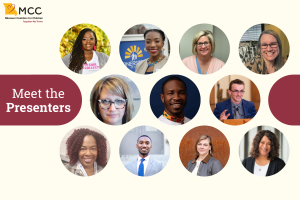
May is recognized nationally as both Foster Care Awareness Month and Mental Health Awareness Month. This month, members of the Youth Congress shared reflections focused on foster care awareness and mental health awareness. Their words remind us of the importance of checking in on our people, understanding the realities of foster care, and recognizing that asking for help should never be seen as a weakness.
Foster Care Awareness Month
“You must keep going. This is only your beginning.”
How did you enter foster care?
“I came into care as a runaway from power-of-attorney guardianship. I was forced into an adolescent psych ward facility refusing to go back with a guardian, it was then she let me go and I received my caseworker after spending time in that facility.”
What are common misconceptions/stereotypes about youth in care?
“Youth are bad.
Youth are damaged and broken.
Youth are lost.
Youth are helpless.”
What would you tell yourself then?
“I love you. I got you.’
‘You may be scared but you’re brave.’
‘YOU ARE RESILIENT.’”
What would you tell another person who is in foster care?
“You must keep going. This is only your beginning!
‘I love you.’ We don’t hear it enough.
‘YOU ARE RESILIENT.’“
How can one advocate for foster youth? Can someone help foster youth without having to be a foster parent?
“Support. Show up. Offer guidance, kindness, speak up if necessary.
Get involved. Research, ask questions.”
~ L.W., Youth Congress Member
Other Youth Congress members reflected on the lasting impact foster care can have on a young person’s sense of stability, identity and voice.
“Foster care is not just a place kids end up. It is a system that completely changes how a child sees the world and themselves.”
“I entered foster care at 11 years old because my dad was not in the picture and my mom struggled with addiction. One day I was just a normal kid living my life, and the next I was being moved around with almost no explanation about what was happening to me or what my future would look like. I remember feeling confused more than anything. Nobody really sat me down and explained my rights or what I should expect. I think a lot of foster youth grow up feeling like things are happening to them instead of with them.”
“One of the biggest misconceptions about youth in foster care is that we are ‘troubled kids’ or that we are difficult because something is wrong with us. Most of the time, foster youth are reacting to trauma, instability, grief and constant change. A kid who moves placements over and over again is not going to feel safe easily. That does not make them bad. It makes them human.”
“People also assume foster youth are not capable or successful, but I have met some of the smartest, strongest, and most resilient people through foster care.”
“If I could talk to my younger self, I would tell them that none of this was their fault and that their voice matters even when adults make them feel small.”
“I would tell another youth in foster care that even though the system can make you feel invisible, your story still matters and your future is still yours. There were times I felt like nobody was listening to me, but speaking up anyway changed a lot for me.”
“People do not have to become foster parents to support foster youth. Sometimes the biggest difference comes from simply listening, showing up consistently, mentoring, donating supplies, advocating for better policies, or treating foster youth like normal kids instead of a stereotype. Foster youth need stability, patience and adults who actually take them seriously. Even one trusted person can completely change the direction of a young person’s life.”
~H.E., Youth Congress Member
While every experience is different, many youth share the experience of feeling misunderstood or overlooked within the system.
“When I entered foster care, I was detached from the things going on around me, and all I could hope for was a loving home to sweep me off my feet, because everyone wants to be treated humanely, and have a roof over their head.”
“A common misconception that I noticed is that a lot of foster kids were looked at as ‘bad kids.’ Yet we weren’t bad, we were put in situations where we weren’t taught to do the right things at the right time. We still deserved nurturing just like any other kid.”
“If I could’ve gone back to say something to the me then, I would’ve told them that rock bottom means I can only go uphill from there, and that even if you can no longer find a purpose, your purpose is the nearing change. Changing your clothes, changing your attitude, changing what you let affect you, changing the idea that giving up will always be your answer.”
“A harsh reality I had was that my team didn’t truly care what fit my needs, but what was most quick and accessible. I was capable of being a functioning member of society, and instead got put in a level 5 residential. My caseworker never approached my struggles with ‘What can we do to make this better,’ and instead approached them with the ‘So what did we learn?’ condescending reaction.
It never helped, never made me feel understood, just made me see myself in a room full of mirrors with ‘the problem’ written all over them.”
“If you want to help youth in the foster care system, come attend conferences and court votings (if open to the public), and share your opinion, your voice and your heart of love. Bring any clothes you don’t wear anymore and bring them to shelters, or see if there’s any drop-off locations for foster youth. A youth can share their voice, but it’s up to you to make it echo as far as it can reach.”
~ M.A., Youth Congress Member
Mental Health Awareness Month
Alongside conversations about foster care awareness, Youth Congress members also shared why mental health awareness matters and how they care for themselves and others.
“I think awareness is important because it reminds people they are not alone and that asking for help should never be seen as weakness.”
“Mental health awareness matters to me because so many people struggle silently while pretending they are fine. Especially for teens, it can feel embarrassing or scary to talk about mental health because people either joke about it or do not take it seriously. I think awareness is important because it reminds people they are not alone and that asking for help should never be seen as weakness.”
“Some things I do for my mental health are listening to music, going on walks, talking to people I trust, and spending time away from my phone when everything starts feeling overwhelming. I also try to let myself rest without feeling guilty about it. Sometimes just getting outside or having one good conversation can completely change my mood.”
“I check in on my friends by paying attention to small changes. If someone gets quieter than usual or starts acting different, I try to reach out instead of assuming they are okay. Sometimes people do not need a huge speech. They just need someone to ask ‘Are you actually okay?’ and mean it.”
“I think being there consistently matters more than having the perfect words.”
H.E., Youth Congress Member
For many people, mental health care looks different from day to day, but connection, creativity and consistency remain important themes.
“Just knowing someone cares can make a difference.”
Mental health care and awareness matter to me because everyone carries things other people can’t always see. Stress, anxiety, grief, anger, loneliness, and pressure can affect how people think, act and treat themselves. When people talk openly about mental health, it becomes easier to ask for help without feeling embarrassed or judged. Awareness can also help people recognize when a friend is struggling before things get overwhelming. I struggle heavily with my mental health, but out of all the days I’ve wanted to be gone, I’m thankful I’ve been alive for every single one.
Some things I do for my mental health include:
- Listening to music
- Reading
- Journaling
- Going on walks
- Spending time with friends or pets
- Drawing or creating art
- Taking breaks from social media
- Getting enough sleep
- Talking to someone I trust
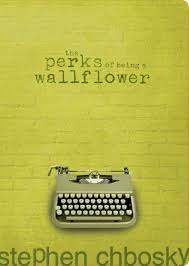
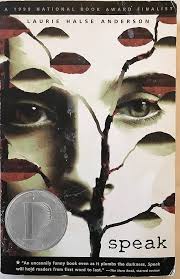
When it comes to reading, a book that always made me feel understood was The Perks of Being a Wallflower, or Speak.
Some things I say to the people I care about to check in on them are:
- ‘Hey, how have you been lately?’
- ‘You’ve seemed stressed, want to talk?’
- ‘I’m here if you need anything.’
- Sending a meme, song or message just to let them know I thought of them.
- Asking specific questions instead of just ‘You good?’ Spending time with them even if they don’t want to talk much
“A lot of people appreciate consistency more than perfect words. Just knowing someone noticed and cares can make a difference.”
~M.A., Youth Congress Member
Other members emphasized the importance of support systems, encouragement and checking in with the people around us.
“Supporting others can help in an impactful way.”
Why is mental health care awareness important to you?
“Mental health is important as it’s the shape and foundation of hope within humans. If we’re unable to value and prioritize something that can either make or break a person from within, how can we prioritize anything else above it? There are battles and things many face without help, support and/or showing signs and the outside world notices it far too late. Supporting and uplifting others when in need just by acts of kindness, smiles, gestures, talks and many other things could help in such an impactful way.
What are some things you do for your mental health?
“Music, movies, shows (binge), cooking, dancing, rest.”
How do you check in on your friends?
“Call, text messages, memes, random pop-ups, meet-ups to various dates or fun activities, and most importantly SMILES & HUGS!”
~L.W., Youth Congress Member
These reflections from Youth Congress members remind us that awareness begins with listening. Whether through advocacy, encouragement or simply showing up for one another, every action can make a meaningful difference in the lives of young people.