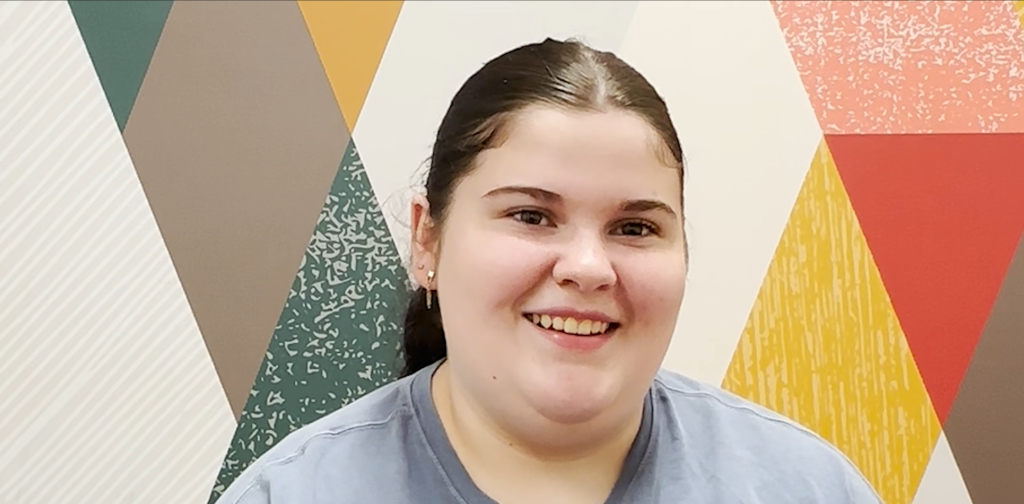
During National Foster Care Awareness Month, MCC is shining a light on our Youth Congress members and their journey in the foster care system. Listen to Youth Congress member Angel Day speak about her experience and the change she hopes to see.
Please introduce yourself.
Hello. My name is Angel Day. I’m 17 years old, and I am an advocate for children in foster care. I’m a part of many organizations that work towards a better future for the children that come after me.
What does your journey into foster care look like? How did it feel?
When I was 12 years old, I came into foster care because my mom had an addiction to drugs, and my dad was in prison, and there was a bunch of abuse going on in the home. When I came in, I was very scared, and I didn’t understand what was going on. I just had a policeman show up to my door with a caseworker and say, “Pack your things, we’re leaving.” I was told that I would only be gone for the weekend, but that ended up being two years, and that turned into four years, and then eventually guardianship with a different family.
Is there something you wish someone would’ve told you?
I wish somebody would have told me that there are other kids like me out there who are going through the same things that I am and that I’m not alone. I ended up going to school [and] felt like there was a big secret on my back that nobody else knew, and I had to keep it to myself. But in reality, there was probably 10 other kids in the same school, in the same classroom, even, that were going through the same things that I was going through or have been going through.
What is one misconception or misunderstanding people may have about foster youth?
I think people [think] that we’re all aggressive, especially teenagers in foster care. I’ve seen so many times where people choose not to take teenagers because they’re afraid of their behavior or what they could do because they’re angry, and that’s real. We’re all angry, and we all have things that are going on. However, that shouldn’t be a deciding factor on if you want to see a child, because we’re not all that way.
Have you felt judged by that misconception?
I felt judged in many ways. I obviously went through a point in time where I had no control over my life, and the only thing that I could control is my behavior and the things that I did to take control. So that came out in how I acted in school and how I acted at home, and because of those things, there was a negative light that was shown on me. However, I’m not that kid. I’m not that child, and whenever I came to the places that I’m in now and that I’ve been in for two years, they also thought that there was something defective about me or something wrong with me. But in reality, there’s not. I was just an angry child that was dealing with so many big emotions.
Do you have a vision for change within the foster care system?
Oh yes, I do. When it comes to foster care system, there are so many things that is a let down or disappointments for kids that are in it currently. That’s seen in guardian ad litems and how we’re represented in court – which we’ve been working for change on – and people that are allowed to be foster parents and that are going through the system for the wrong reasons, and even caseload numbers for caseworkers, how much they’re getting paid and how involved they are in our lives. Foster children should always have somebody that they can rely on, and that person should be their case manager, their caseworker. And that almost never happens. That one person who is supposed to be there for you, that’s supposed to come with you through your whole life, your whole journey, is almost always absent and never there for you, because they have so many other cases and so many other kids to worry about. So I’ve talked about this at Child Advocacy Day, and I’ll continue to advocate for lower caseworker numbers and higher compensation for caseworkers, and a better system to where these caseworkers are actually present in our lives.
What would you say to someone who is currently in foster care?
I would say that life does get better. I was in care for five years, and I exited care and guardianship with a new family, which I talked about briefly. In this family, I’m loved and I’m supported, and that is always the goal of this system is to get you somewhere that you are safe and loved. And hopefully, if you have the right representatives, which I promise I’m fighting for, and so many of other people are fighting for you as well, that you will be placed in a home that is loving and caring, and hopefully you’ll never go back to someplace that isn’t. We see that in court, we see that in permanency, but truly we need to see that in the people that you live with. I am, and many of us are, still working on that for you.
How can people support foster youth not just this month, but every month?
This month is definitely important, but in a forever sense, foster youth are the most vulnerable children I’ve ever met. I see people who go through so many things in their life in the foster system, especially people of color or people with disabilities. These things are real issues, and supporting these people is understanding their issues, understanding their struggles, and that’s sometimes mental health and sometimes physical health. In those situations, you have to be able to understand, look at them, and differentiate the person from the foster child. “Foster child” is a word that sometimes gets misconstrued and not really understood, but it truly just means a person, a person who has dealt with a lot of trauma. That doesn’t make them bad or defective, that just makes them a little more interesting. Learning those different ways around them will be the best way that we can support these children.
Anything else you want to add?
Thank you for watching my statement, and I truly hope that you continue to support MCC and all the other organizations that are trying their best to do good for these kids.